Separate measurement from estimation
Meters record electrical quantities such as cumulative energy and power. Carbon estimates require an emission factor with clear units, a relevant geography or supply basis, and an effective date. For illustration only, 100 kWh multiplied by an assumed 0.5 kg CO₂e/kWh equals 50 kg CO₂e. That assumed factor is not a recommendation for any particular site.
Keep the calculation explainable
Preserve the original readings and the reference behind each factor. Identify resets, missing intervals and changes in the meter configuration. A cumulative register is a running total; consumption for a period normally comes from valid differences between readings. Showing the register as though it were period consumption can distort a carbon report.
Choose the appropriate accounting method
For purchased electricity, the GHG Protocol Scope 2 Guidance distinguishes location-based and market-based methods. Eligible contractual evidence and the reporting context matter. A dashboard estimate alone does not establish that a renewable electricity claim meets the applicable accounting criteria.
Use monitoring to support a wider inventory
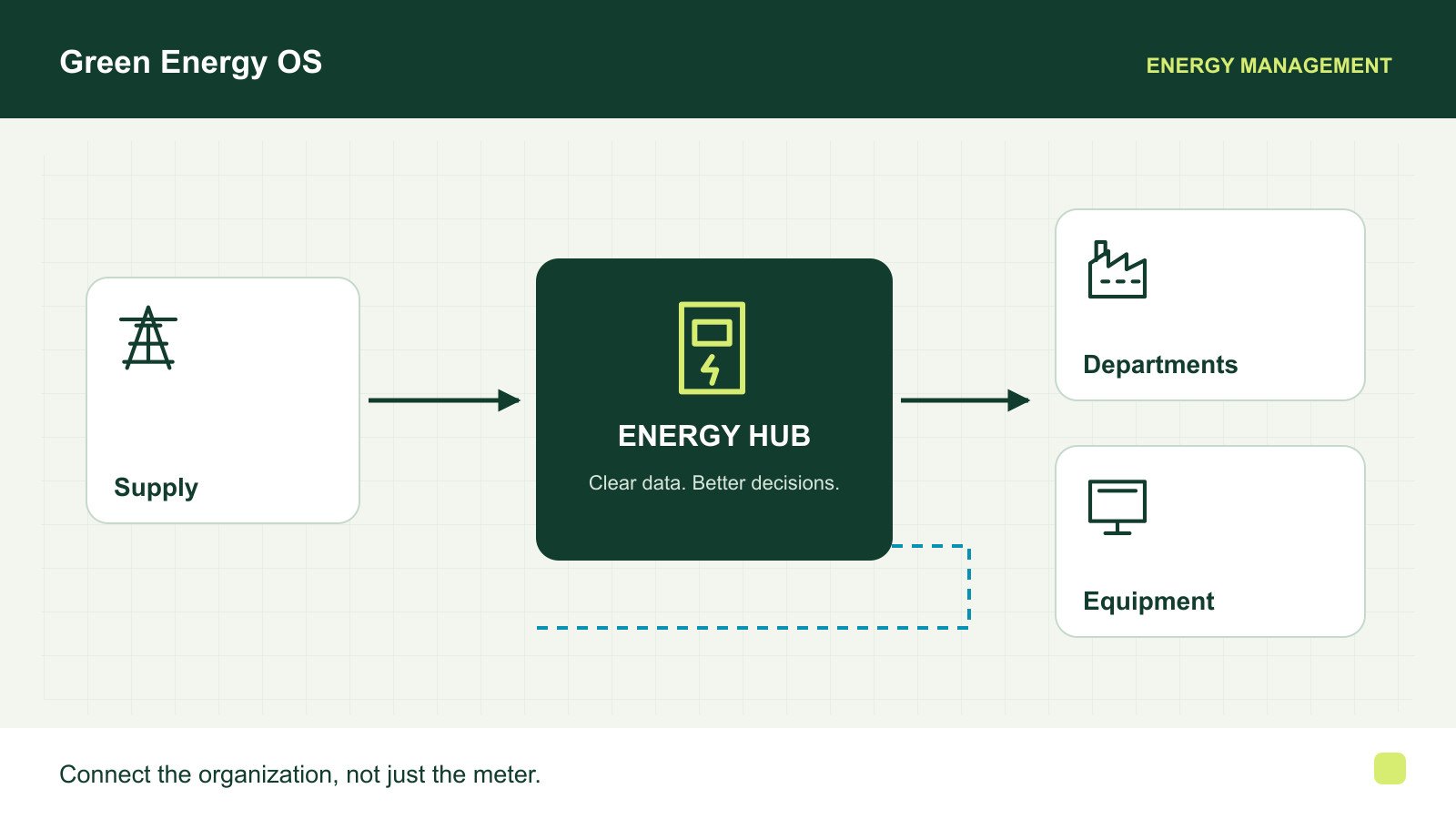
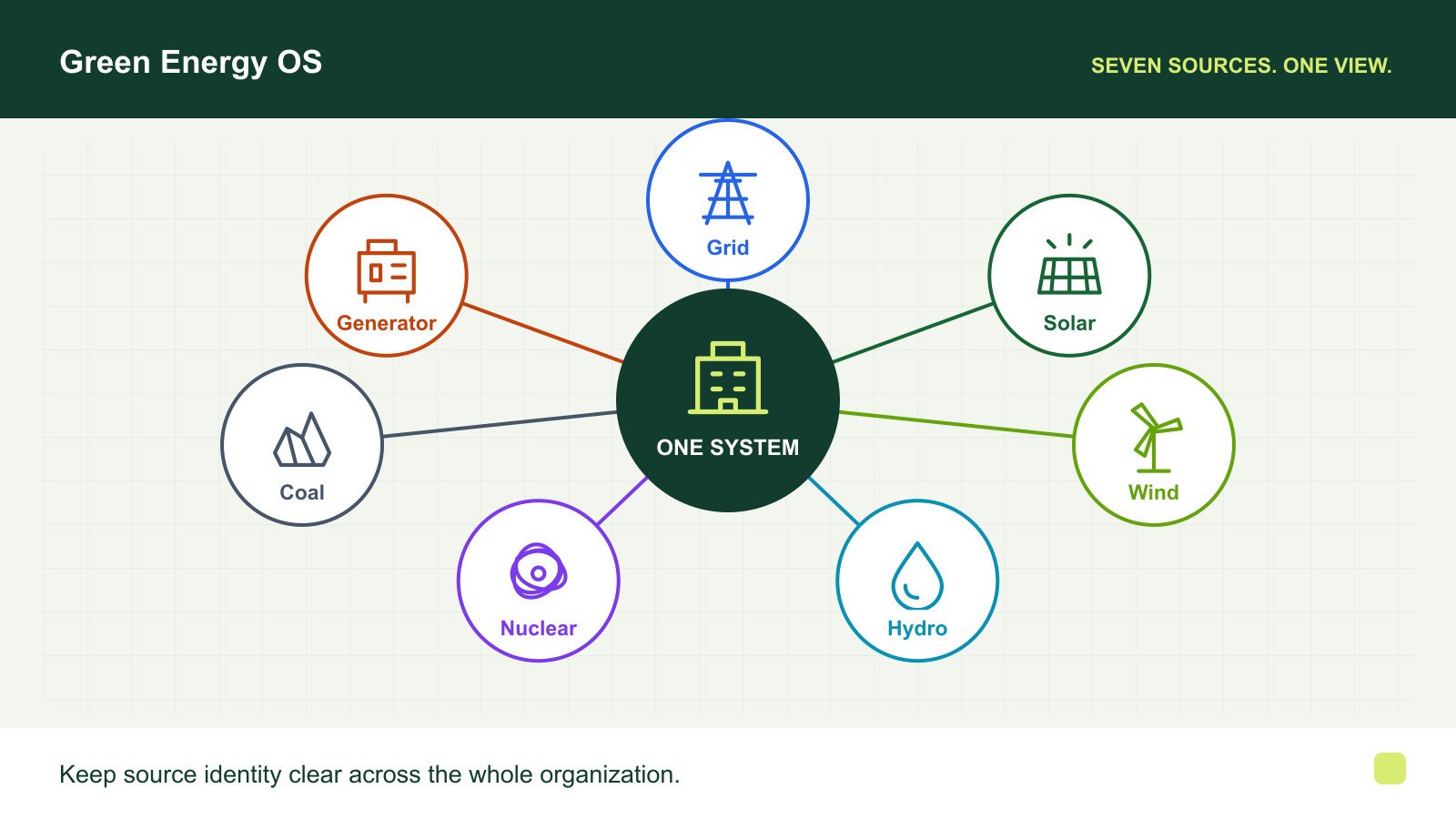
Green Energy OS can support electricity-data collection and review, while the organization establishes its inventory boundary and other emissions sources. Direct fuel use, transport or purchased materials may require separate datasets. Contact us to discuss an evidence-focused monitoring plan rather than treating a single electricity number as a complete carbon footprint.
References and further reading
Plan your next step
Discuss metering, energy monitoring and carbon-reporting data requirements with Green Energy OS and Zhejiang Mingkai Technology Pvt. Ltd.
Contact us